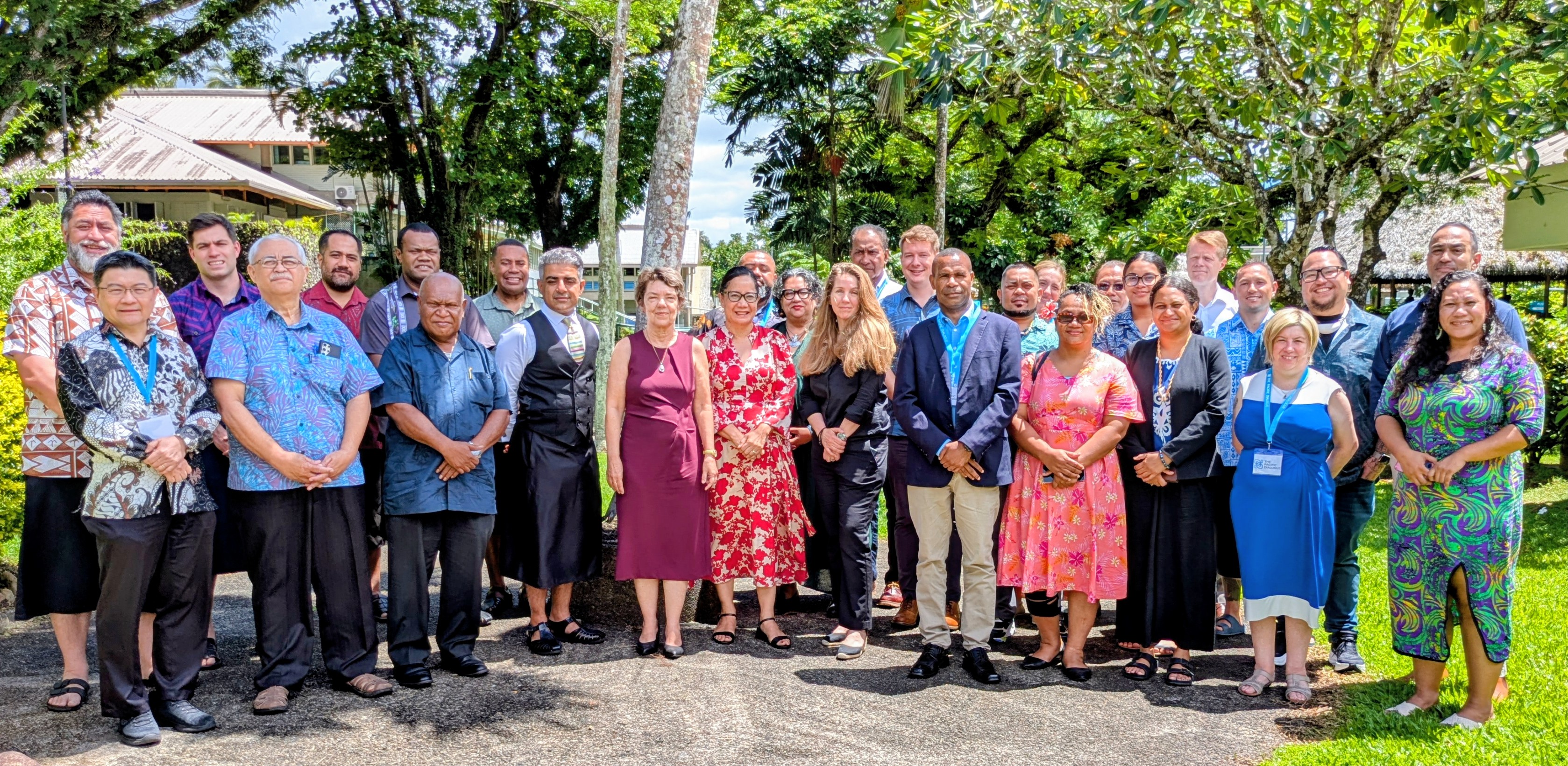
The University of the South Pacific (USP) recently hosted the 2025 Pacific Dialogue on Security and Geopolitics to discuss the Pacific’s security landscape, emerging strategic pressures, and the opportunities for strengthening regional cooperation through the Blue Pacific identity and values.
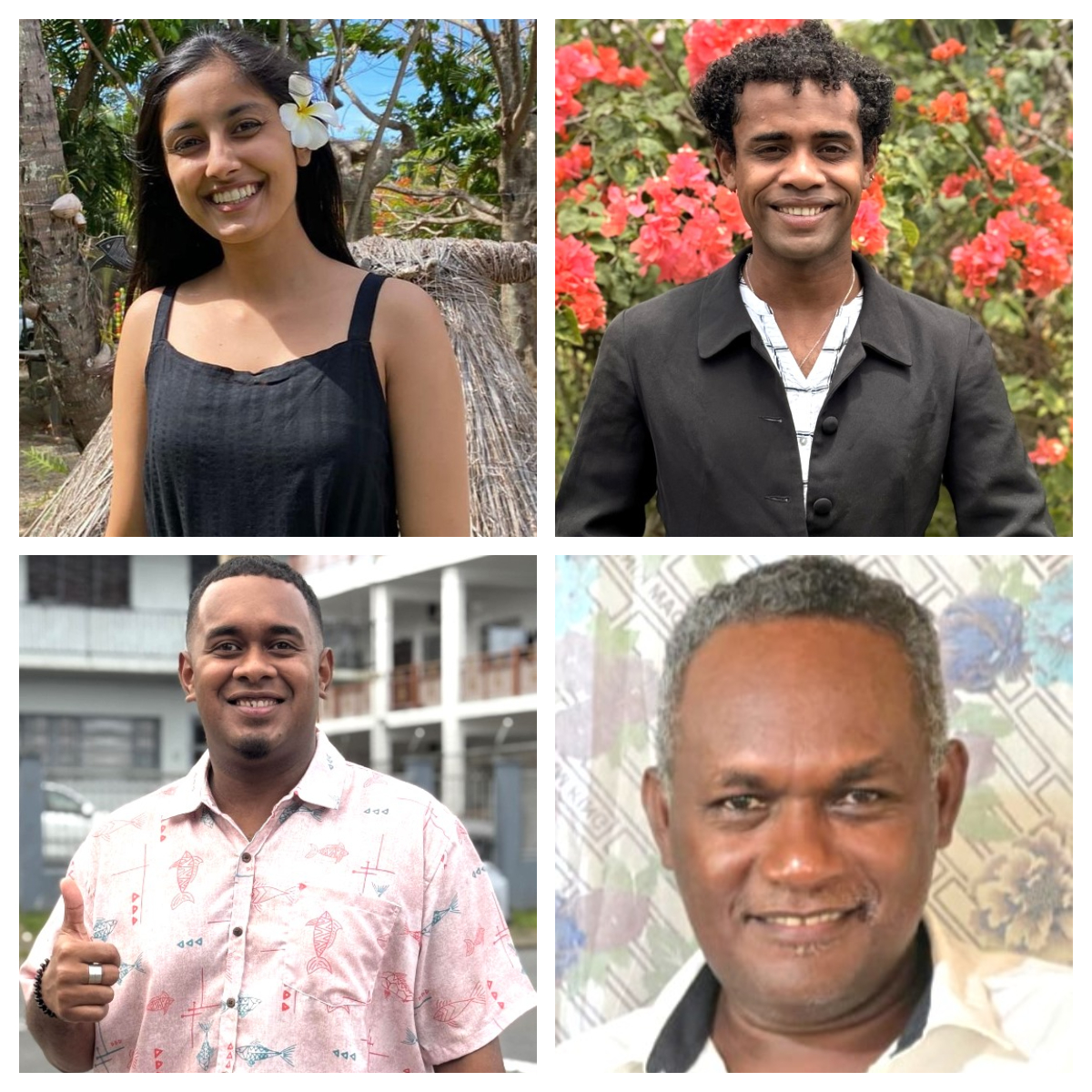
For the first time, the Pacific Dialogue also featured a dedicated Youth Programme, underscoring the importance of empowering young Pacific Islanders to contribute to security and geopolitical discussions.
A mentoring session provided youth delegates with guidance on pathways into regional policymaking, diplomacy, advocacy, and security research.
Mayren Wichep, a Bachelor of Arts student majoring in Politics and International Affairs, represented USP in the Youth Programme.
“Participating in the dialogue was a truly positive experience. It was inspiring to see young people from across the Pacific each with different backgrounds actively engaging in meaningful discussions. The Pacific Islands Forum’s focus on the ‘Ocean of Peace’ set a strong tone, and as a youth representative, it felt empowering to contribute alongside participants from academia, civil society, and diverse professional and security sectors,” Wichep shared.
“I was especially pleased to see representation from both the northern and southern Pacific. Coming from the north, it meant a lot to have our perspectives recognised, as these can sometimes be overlooked and I believe there is much the region can learn from these shared experiences. The new mentoring session was incredibly valuable. It provided clearer pathways into leadership roles and connected us with mentors who can continue supporting us beyond the dialogue.”
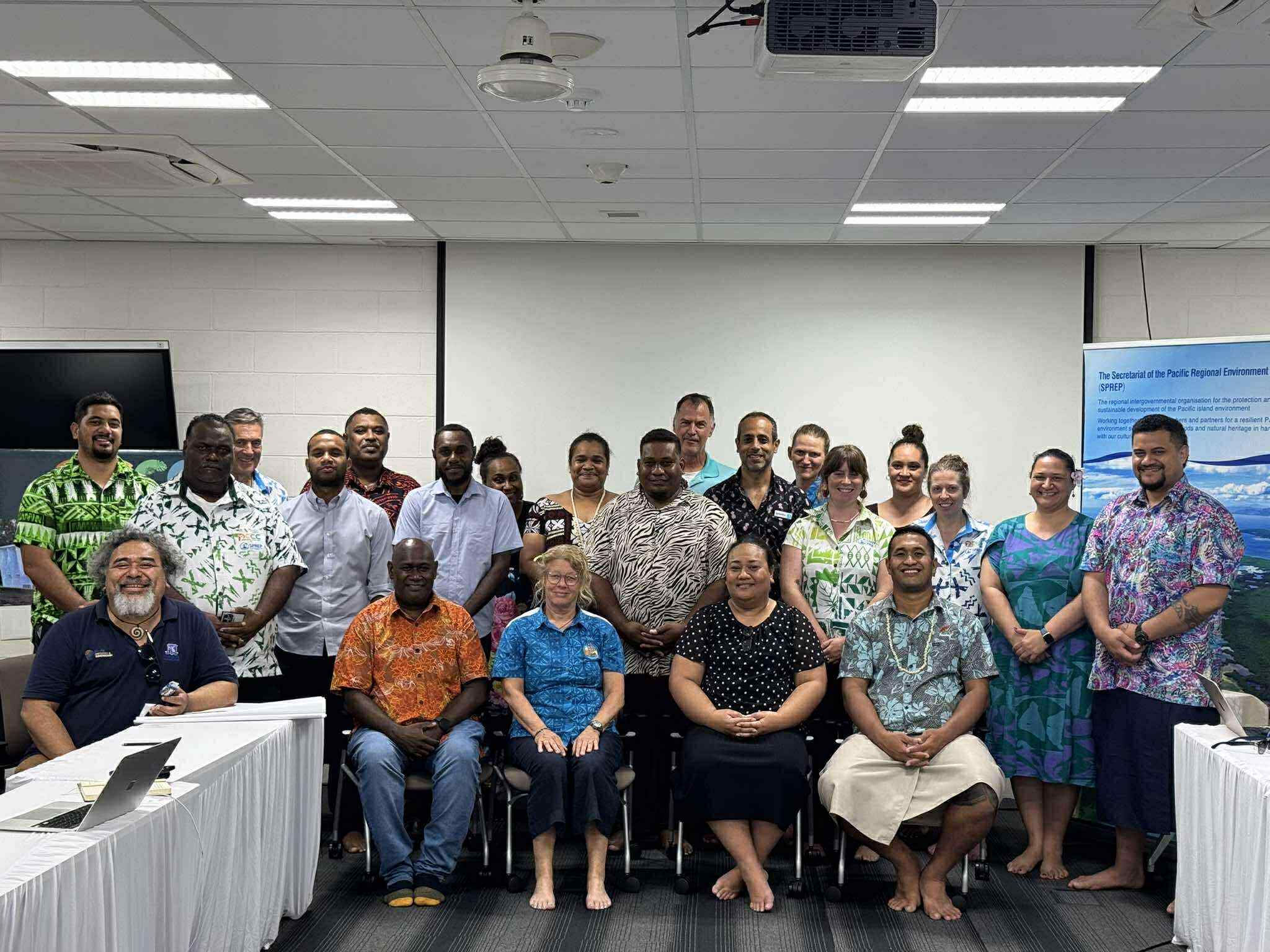
The three-day event at the Laucala Campus brought together 30 participants including academics, researchers, policy practitioners, senior regional diplomats, civil society leaders, and youth delegates.
British High Commissioner to Fiji, His Excellency Kanbar Hossein-Bor, delivered the opening remarks and emphasised the UK’s continued commitment to supporting Pacific-led approaches to peace, security, and regional cooperation.
“In a rapidly shifting geopolitical environment, the Pacific’s strength lies in its unity, its values, and its unwavering commitment to dialogue. The United Kingdom is honoured to support the Pacific Dialogue as a platform that elevates Pacific voices and advances collective solutions to shared challenges. The ‘Ocean of Peace’ vision reflects not only a regional aspiration but a global example of how diplomacy, trust, and partnership can guide us through complex times,” he said.
He commended participants for their leadership and encouraged continued collaboration to ensure the region remains stable, resilient, and future-focused.
USP’s Associate Professor Sandra Tarte of the School of Law and Social Sciences (SoLASS), said the Pacific Dialogue aimed to foster and support dialogue on how rising geopolitical tensions are impacting the Pacific, such as escalating military competition.
‘It also serves to spotlight how the Pacific region can contribute to global peace and security through our own instruments and frameworks like the Blue Pacific Ocean of Peace Declaration adopted by the Pacific Islands Forum leaders in 2025’.
This year’s Dialogue focused on how the Ocean of Peace Declaration can serve as a regional peacebuilding mechanism as well as a mechanism to manage geopolitical competition. The Dialogue examined the Pacific’s geopolitical and security trends since 2023, highlighting shifting power dynamics, climate-related security risks, and the growing complexity of regional partnerships.
Held in partnership with the Pacific Islands Forum Secretariat (PIFS), the Dialogue continues to serve as a leading Track Two platform for advancing Pacific-led approaches to peace, stability, and collective security amid a rapidly evolving geopolitical environment.
Participants explored how geopolitical competition is managed across Asia, identifying practical lessons and policy approaches that could inform how the Pacific region anticipates, manages, and de-escalates potential geopolitical tensions.
In considering national approaches to managing geopolitical competition, the Dialogue highlighted how Pacific Island countries are actively shaping regional security through diplomacy, resilience-building, and carefully navigating strategic partnerships.
Participants were encouraged to build long-term mentorship connections and explore opportunities to contribute to regional initiatives throughout 2026.