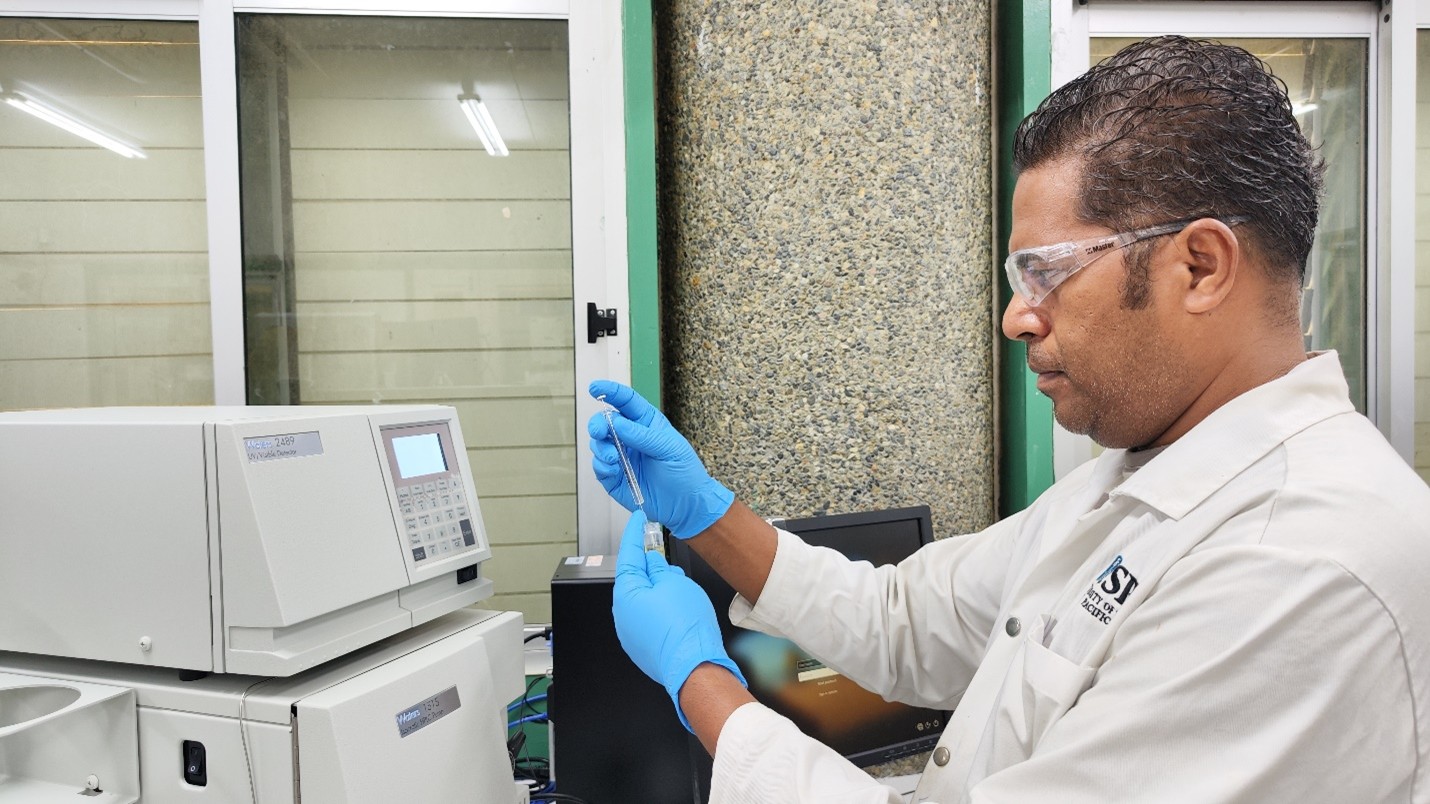
The Institute of Applied Sciences (IAS) Analytical Laboratory at The University of the South Pacific (USP) has provided high-quality analytical testing services across the South Pacific for over 20 years.
Housed within USP’s Centre for Sustainable Futures (CSF), the laboratory has maintained its accreditation to the NZS/ISO/IEC 17025 standard through International Accreditation New Zealand (IANZ).
The accreditation reflects the lab’s professional and globally recognised standard, which is essential for science, industry, and education in the Pacific.
Lab clients include a wide range of industries, including government agencies, exporters, development partners, utility providers, and the private sector.
Its services span the testing of food, feed, water, biofuels, and environmental samples, all performed in accordance with international best practices and technical standards.
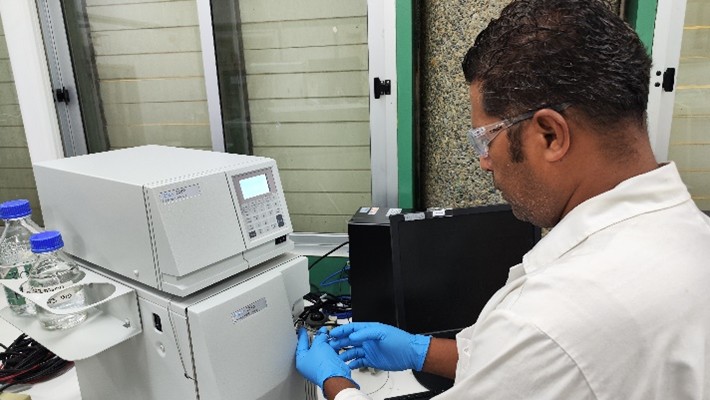
The laboratory is equipped with advanced scientific instrumentation that allows for precise and reliable testing of trace metals, vitamins, microbiological parameters, and organic compounds in a range of samples.
Water and environment analysis
The laboratory performs physical and chemical assessments on drinking water, wastewater, industrial discharge, marine samples, and sediments. This includes vital services such as Legionella testing in cooling tower waters and compliance monitoring in line with national environmental regulations. The lab supports environmental impact assessments by generating high-integrity data needed for informed planning and sustainable development.
Food analysis
The food and feed division specialises in nutritional analysis, food safety assessments, and contaminant testing. The lab produces accurate Nutritional Information Panels (NIPs) required for food labelling and conducts microbiological tests for foodborne pathogens such as Salmonella, Listeria, and Escherichia. coli (E. coli). Testing services are also extended to feed products and locally significant items such as kava, where lactone content and moisture levels are evaluated.
For exporters, especially those targeting the European Union market, the IAS Laboratory serves as the testing facility for fish and fish products, including analyses for histamine, heavy metals, and microbial quality.
The Pacific Islands Forum Fisheries Agency (FFA) Trade Advisor, Jope Tamani, emphasised the importance of IAS in supporting regional trade.
“The laboratory stands as one of the key laboratories that plays a very key and vital role for our Pacific Island countries’ Tuna Market Access, or commonly known as trade and or export,” he said.
“Major trading partners like the European Union require the use of ISO 17025-accredited laboratories for certification by regional competent authorities”
“USP’s IAS lab stands at the crossroads of professionalism, convenience, and quality of service that over the years has been driven by the staff – the Pacific Skills.”
“Countries like Kiribati, Solomon, Fiji – and now Tuvalu and the Federated States of Micronesia – would never be able to access the EU market without the accessibility of the service provided by IAS.”
In support of the renewable energy sector, the IAS Laboratory includes a dedicated biofuel section capable of testing biodiesel and paraffin diesel to ensure compliance with international fuel quality standards.
Additionally, the lab provides limited but essential soil testing services for nutrient analysis and environmental quality assessments. It also offers laboratory equipment calibration services for equipment such as balances, thermometers, pH and Electrical conductivity meters, Hydrometers, Brix meters, and other measuring equipment.
Its services contribute to public health protection, sustainable resource management, food trade compliance, and scientific advancement in the region.
The Laboratory’s continued international accreditation demonstrates its commitment to upholding the highest standards in testing integrity, technical competency, and quality management. Clients can trust that the data provided by IAS Laboratory is accurate, defensible, and globally recognised.
The Laboratory team includes experts in Chemistry, Microbiology, Food Nutrition, and Water Safety, all of whom undergo rigorous training and competency assessments.
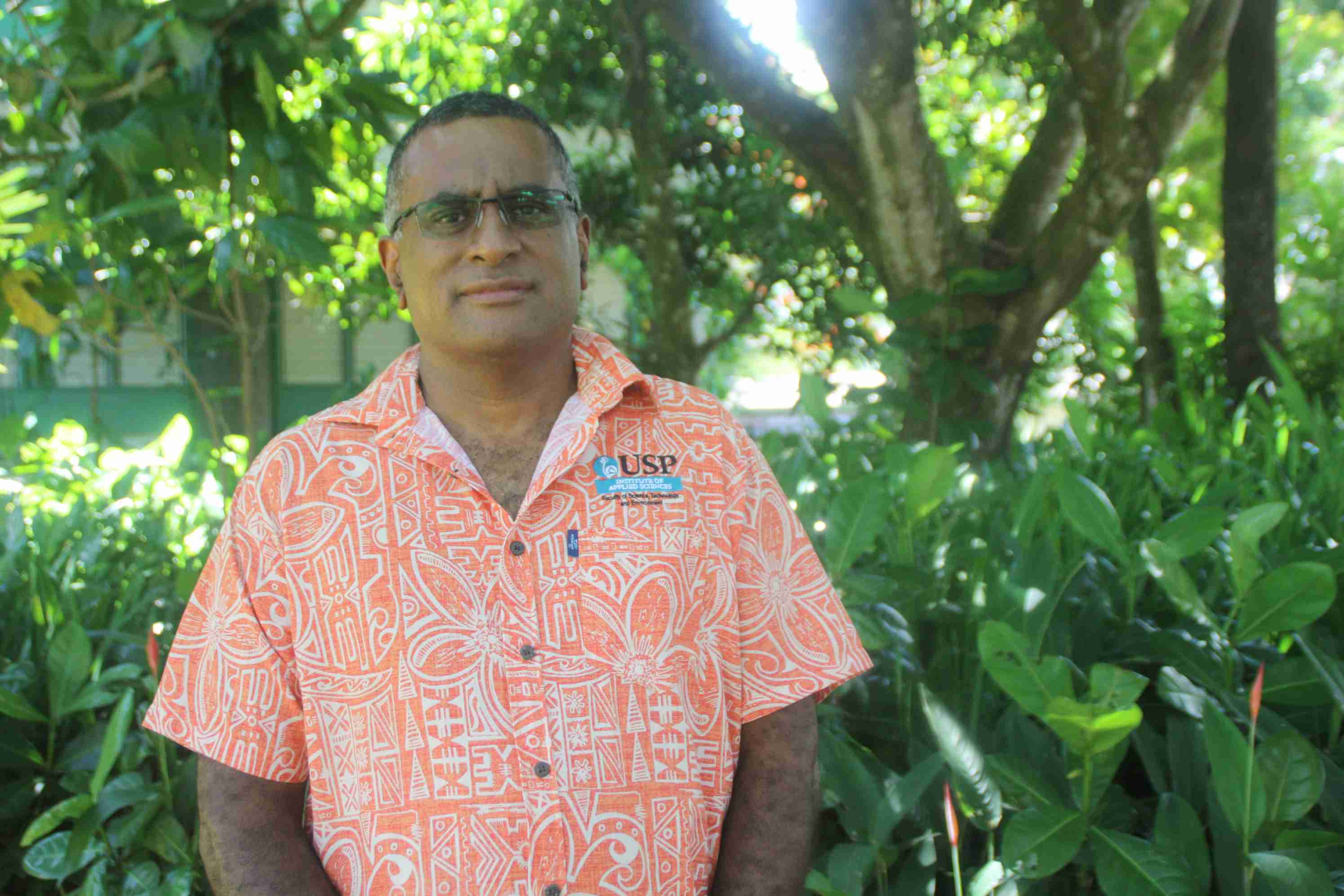
According to Dr Isoa Korovulavula, Acting Director of IAS, the Laboratory places strong emphasis on maintaining high standards of expertise.
“Our staff are regularly evaluated through internal processes and external interlaboratory comparison programmes to ensure their technical proficiency and reliability in analysis,” he said.
One of the key roles that IAS plays within CFS is that it offers training, consultancy, and research support throughout the Pacific region.
As a hub for scientific innovation and capacity-building, IAS plays a pivotal role in supporting sustainable development, environmental protection, and food security.
-ENDS-