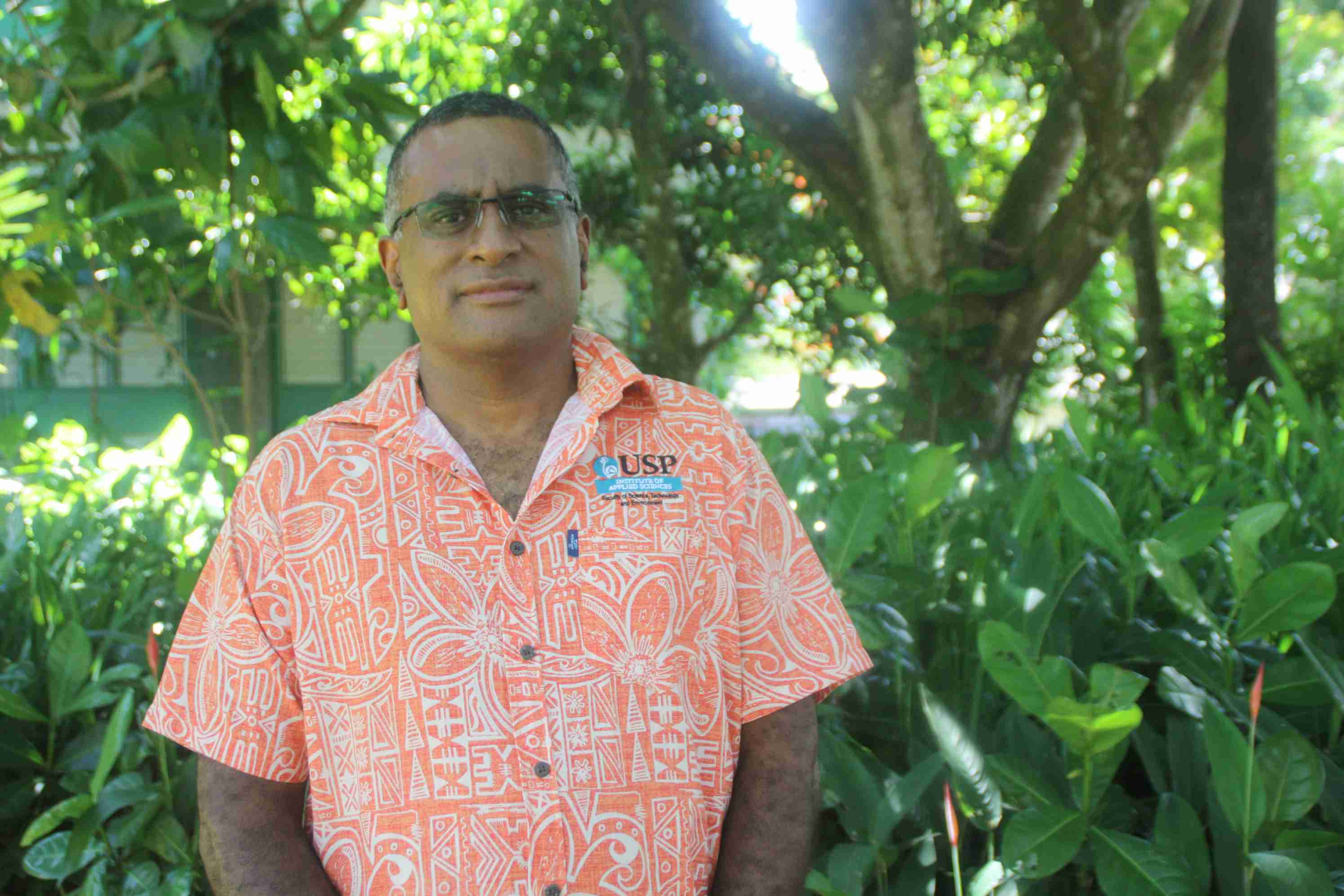
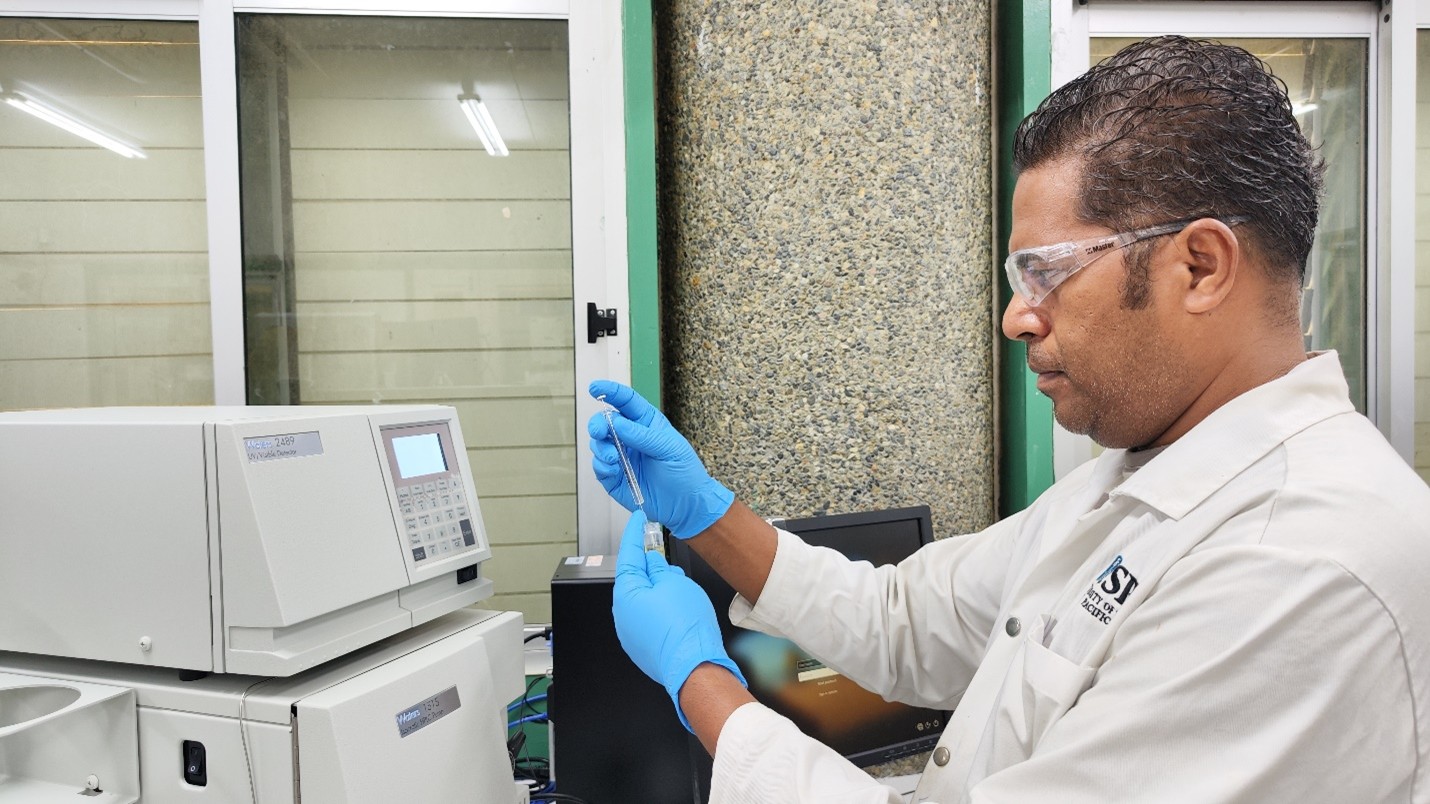
The University of the South Pacific (USP) academic, Dr Awnesh Singh, has been appointed as a Coordinating Lead Author (CLA) for the Intergovernmental Panel on Climate Change’s (IPCC’s) Seventh Assessment Report.
This report is the world’s leading scientific assessment of climate change, providing an independent and comprehensive synthesis used by Governments around the world to inform climate policy and decision-making.
Dr Singh is currently the Interim Director of the Centre for Sustainable Futures (CSF) at USP.
The appointment places Dr Singh among a select group of international scientists charged with assessing the latest research on climate processes, impacts, and projections that will inform global understanding of climate risks and responses.
As a CLA, Dr Singh joins an international team of experts for ensuring that key sections of the report meet the highest scientific standards, are clearly written, and accurately reflect the most current evidence.
This involves overseeing the drafting of a major chapter, managing global collaboration and integrating diverse scientific viewpoints and steering the content through multiple rigorous rounds of expert and government review before the final text is approved by governments worldwide.
For Dr Singh, this appointment is a significant opportunity to connect his research on Pacific oceanography and climate with the global scientific dialouge.
“The appointment significantly builds on my work in the Pacific and strengthens my experience in international collaboration bringing together perspectives from across the world. It allows me to contribute to the global science community while ensuring that the specific contexts of vulnerable regions like small island states are visible within the assessment,” he said.
He acknowledged the demanding nature of the role, which included tight deadlines and balancing a wide range of scientific views, especially where data is limited.
For vulnerable regions like the Pacific, a key challenge is making the global report relevant at a local level.
He also highlighted the essential role of uncertainty in climate science.
“Many regions, including small island developing states, need improved access to tailored, high-resolution climate information to support local decision-making,” he added.
“A key challenge is translating global climate projections into usable information at national and community levels, incorporating traditional and local knowledge alongside scientific data is important for building relevant and trusted climate services.”
“Advancing seamless prediction systems that link weather, climate, and ocean processes can strengthen services worldwide.”
Dr Singh’s ongoing research at USP focuses on improving access to high-resolution, local climate information, which complements the IPCC’s efforts to synthesise and assess global scientific understanding.
The ultimate goal of the IPCC is not to prescribe policies for governments, but to provide the world with the most robust, trusted scientific knowledge on climate risks and potential futures to inform those policy discussions.
The report is scheduled to be published by 2028.