The University of the South Pacific (USP) is embarking on a transformative journey towards renewable and sustainable energy by exploring and implementing alternative solutions through cutting-edge research and practical applications.
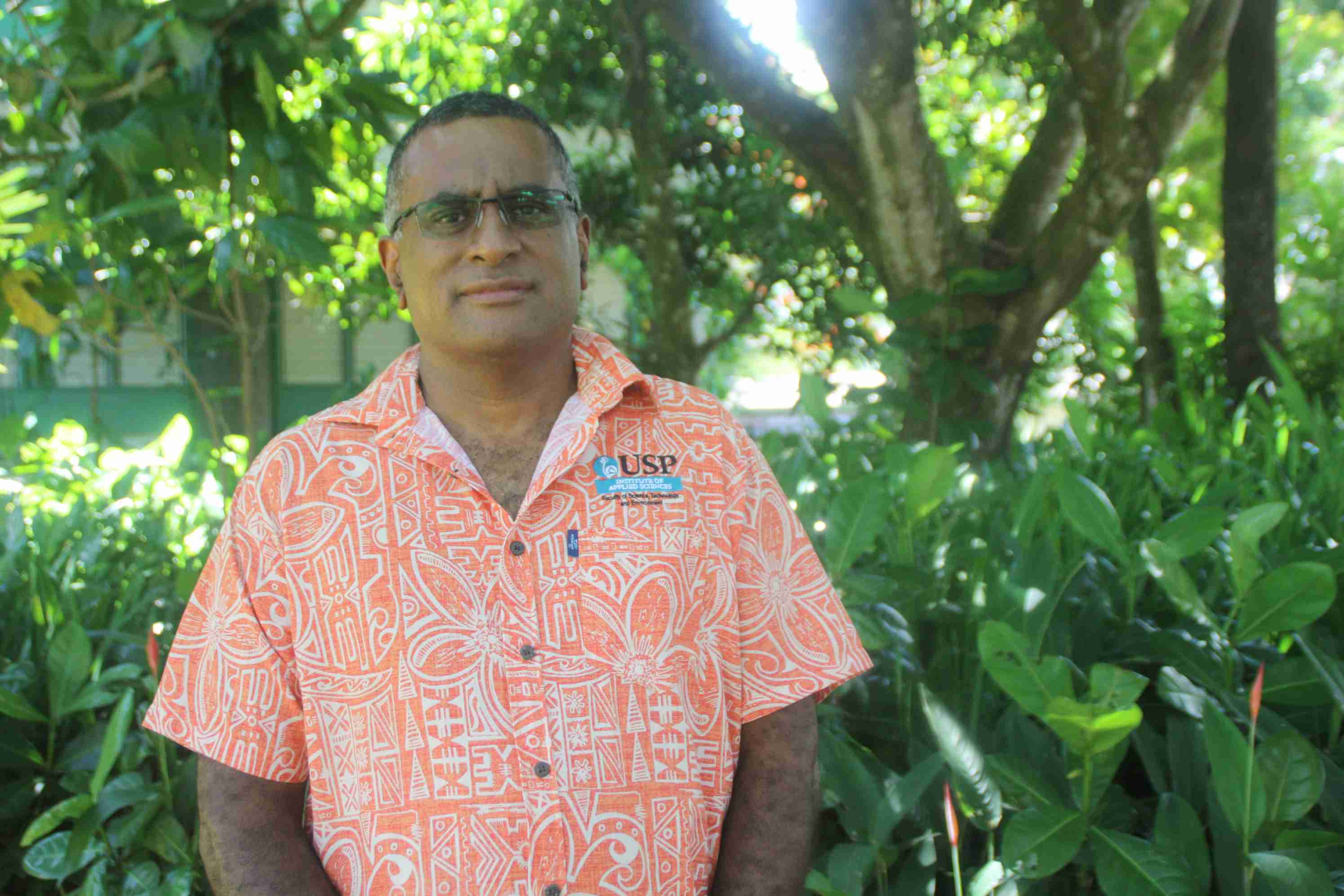
Professor Mohammed Rafiuddin Ahmed – a Professor of Mechanical Engineering – is one of the University’s academics involved in exploring a diverse portfolio of renewable energy solutions.
Professor Ahmed is also the Deputy Head of School for Research, Innovation, and Graduate Affairs at USP’s School of Information Technology, Engineering, Mathematics and Physics (STEMP).
In addition to the School’s sustainable Seawater Air Conditioning (SWAC) project, Professor Ahmed highlighted the newly devised solar chimney power plant system that was specifically designed and optimised for Fiji’s unique environment.
“This innovative design converts solar energy into wind energy by heating the air under a glass collector, which, while rising up the chimney, drives a turbine to generate power,” he explained.
“A model plant is already operational at the Laucala Campus, with plans to implement it in Kiribati, a nation with consistently high temperatures and limited landmass, showcasing its adaptability and resilience against cyclones.”

Professor Ahmed added that USP’s broader focus included the strategic use of wind turbines and ocean thermal energy on campus, as well as the development of biofuels.
“USP has meticulously researched and measured wind patterns for nine years, resulting in a detailed assessment report. The University is actively seeking support to install wind turbines on campus, further diversifying its renewable energy mix.”
One of USP’s flagship projects is the implementation of the SWAC system, which aimed to produce clean energy and other valuable by-products.
“This system will be extended to a multi-purpose power generation and air conditioning system with desalinated water and hydroponically grown vegetables as by-product.”
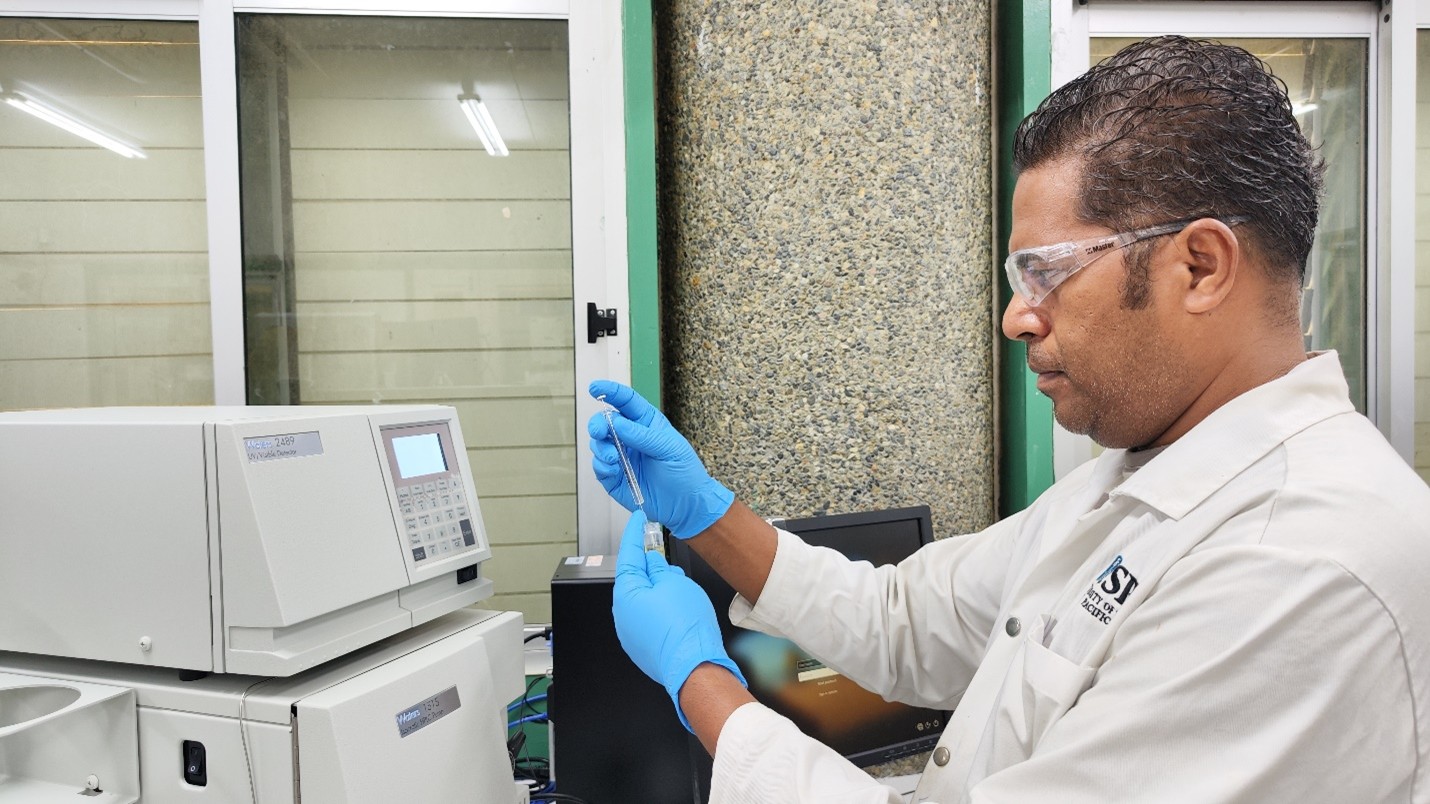
“Our researchers have successfully tested straight vegetable oils and various blends as alternative fuels in diesel engines, demonstrating their potential as a sustainable energy source.”
“For the rural communities who do not have access to cooking gas, we have designed a very efficient Rocket Stove, taking into consideration a variety of factors such as a divergent combustion chamber for reduced flow, secondary air inlets for improved combustion of wood fuel and strong insulation. Through financial support, we hope to distribute these stoves to communities.”
He highlighted that the team was also looking at ways to address the pressing issue of coastal inundation, a severe consequence of climate change impacting many Pacific communities.
“At some of the locations, the shoreline is in the sea itself, so planting mangroves there is not a viable option. We are designing floating mangroves for such locations that will be capable of withstanding strong hydrodynamic forces.”
While the Pacific stands on the frontlines of climate change, he added that USP’s multifaceted research was aimed at delivering sustainable solutions.
These solutions aim to empower island nations, enabling them to thrive amid unprecedented environmental challenges.
High school students and visitors interested in learning more about USP’s study pathways and research initiatives can visit the Laucala, Lautoka and Labasa campuses on Friday, 15 August 2025, for the KPMG USP 2025 Open Day.
Visit the USP website on www.usp.ac.fj for more details.