Ms. Ms Tereri Tekeraoi, Kiribati | Bachelor of Science in Marine Science (USP) | Certificate IV in Resilience (Climate Change Adaptation & Disaster Risk Reduction) (USP) | Master of Data Science (Monash University)
University Years:
Reflections of student life at USP.
I began my journey at the University of the South Pacific (USP) in 2014 at the Kiribati Campus, pursuing a Bachelor of Marine Science. The first two years were filled with challenges and small victories that shaped my experience.
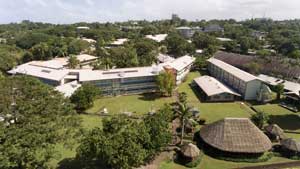
I later transferred to the Laucala Campus in Suva, Fiji, where I found more resources, like 24-hour computer labs and better access to lecturers and tutors. Even with limited resources at the Kiribati Campus, I learned to be resourceful and creative.
What I treasure most from my time at USP are the friendships I formed with students and lecturers from across the Pacific—Samoa, Tonga, Vanuatu, the Solomon Islands, and more. Collaborating on group projects taught me important lessons about teamwork and communication, making my experience about more than just academics; it was about building a community.
What were you passionate about as a student?
Growing up on an island, the ocean has always been close to my heart. I’ve always loved swimming, and I was naturally drawn to the sea’s beauty and mystery. That’s what led me to study Marine Science. But over time, I realised it wasn’t just about my love for the sea—I wanted to do something that mattered. I wanted to use what I learned to help my country and protect our marine environment, especially in the face of climate change.
Did you participate in any extracurricular activities or clubs? How did they shape your experience?
During my time at Kiribati Campus, I joined the Students Association and helped with events like Open Day. I also performed in traditional dances, during the official opening of the new campus building—just small things, but I enjoyed being part of it.
Then at Laucala, I joined Wantok Moana, the Marine Science student group. I wasn’t super active, but I took part in a clean-up campaign at the lower campus. These little involvements gave me a sense of belonging and helped me connect with other students who shared the same passions.
What did you think your dream career would be at the time?
Back then, I dreamed of being a Fisheries Officer—doing reef surveys, swimming and diving every day, studying marine species. I wanted to be in the field, doing hands-on work that helped protect our oceans. That dream kept me going throughout my studies.
Are there things about your course of study that you would do differently if you had to do it again?
Honestly, yes. If I could do it again, I would push myself more from the beginning. In my early years, I was just focused on passing rather than doing my best. I also used to procrastinate a lot. But by my final semester, I turned things around—started taking things more seriously—and my grades improved big time. I also saw how important it was to connect with lecturers and get more involved in uni life. That’s something I didn’t fully take advantage of until later, but I’ve learned from it now. In short: I wish I had worked harder from the start, avoided procrastinating, and been more engaged with university life and networking.
Career Path:
What was your first job after graduation? Did you learn anything from it that you could share as a ‘learning curve’ for current USP students?
My first job after USP was as a Verification Officer at the Ministry of Fisheries and Marine Resource Development in Kiribati. I did inspections and audits on fishing vessels and seafood factories to make sure they followed health and safety rules.
I remember learning about HACCP and seafood safety in one of my units—Seafood Science—and it helped, but the real learning curve came with the strict procedures and paperwork. I had to pay attention to every little detail. That job taught me how much responsibility comes with applying science in real life. I also realized how useful it would’ve been to get more hands-on experience while I was still studying.
Describe a turning point or pivotal moment in your career.
When I started, I pictured myself diving and doing marine surveys. But instead, I found myself working in the seafood department—doing data entry from inspections, audits, and lab results. At first, it felt far from what I had imagined. But over time, I saw how important data was for the whole system. That shift opened my eyes. There’s a huge need for better data to help manage marine resources, track IUU fishing, and respond to climate change. That’s when I knew I wanted to learn more and went on to study Data Science—so I could use data to help Kiribati grow in a smarter, sustainable way.
What are you most proud of accomplishing in your field?
I’m proud of being part of the team that ensures seafood safety and helps Kiribati meet international standards. It might not be flashy work, but it really matters for our economy and our people. I’m also proud that I’ve been able to use what I learned in Marine Science—especially in seafood safety—in a real-world setting that makes a difference.
Share any of your career highlights since graduation.
One highlight was helping our office shift from Excel to an Access database. That small change made a big difference in how we managed our data. I also got to attend training workshops hosted by FFA in Fiji— covering sampling, microbiology, and aseptic techniques —which helped me build more practical skills.
On top of that, I completed a Certificate IV in Resilience (Climate Change Adaptation & Disaster Risk Reduction) through USP. That course deepened my understanding of climate issues, and it really strengthened my desire to make a positive impact in Kiribati. These experiences have shaped both my career and my confidence.
The Future:
What are your current goals and aspirations?
I’ve just completed my Master of Data Science from Monash University, and right now, my goal is to combine that with my background in Marine Science.
I want to use data to better manage marine resources and help island nations like mine deal with climate change. That’s the direction I’m moving toward, using my skills to serve my people.
How do you see your field evolving in the future?
I think Marine and Fisheries will become more tech-based. We will need real-time monitoring, stronger data systems, and smarter tools to manage the ocean. Climate change is changing everything, and I believe data science will play a huge role in helping us adapt and protect what we have for future generations.
What does it mean to you to be an alumnus of USP?
Being a USP alumna means a lot to me. It means I’m part of a wider Pacific family—a network of people with shared roots and shared goals.
USP gave me the foundation I needed, and now I get to give back in my own way, with the knowledge and experiences I’ve gained.
What did you take from studying at USP which serves you in good stead today?
USP taught me how to adapt, how to keep going no matter the circumstances, and how to work with people from all kinds of backgrounds. That sense of community and resilience is something I carry with me every day.
USP educates families across the Pacific, do you have any family members who have also been to USP?
Yes, I do! My sister graduated with a Bachelor of Geospatial Science and she’s also working in Fisheries now. My younger brother is studying for his Bachelor of Arts at the Kiribati Campus, and my youngest sister is doing her Foundation year at the Laucala Campus. I’m proud of all of them—we’re walking different paths but still growing together.
Any words of wisdom or your last words to encourage others?
Put God first in everything you do. Stay humble, stay curious, and never stop learning. Even if your beginnings are small, trust that He has a greater plan.